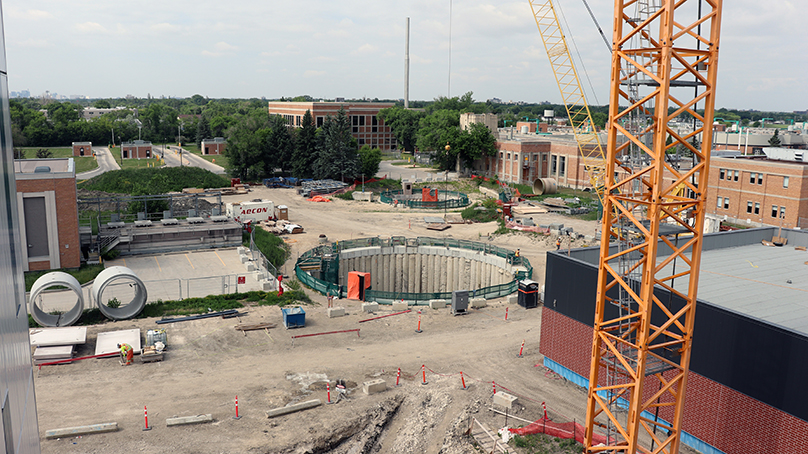
Building something new in our city is always exciting. But before shovels are in the ground, a lot of careful thought goes into just how the design will take shape.
We build most City projects using a traditional delivery model known as Design-Bid-Build. With Design-Bid-Build, we do exactly what it says:
- We hire an engineer to produce a design
- Contractors review the design and submit their price (bid) to complete the work. We assess the bids and award the work to a qualified contractor that provides the lowest price
- The contractor builds the project
This model works well for basic, routine projects like water main replacements and road repaving. Design-Bid-Build contracts are issued with a fixed price, which can reduce financial surprises.
This type of delivery model doesn’t work as well for larger or more complex projects like the North End Wastewater Treatment Plant Upgrades megaproject (NEWPCC).
The NEWPCC upgrades are extremely complex. It is actually a series of projects that together make the largest, most expensive infrastructure undertaking in our history.
The budgets for the final two major projects — the Biosolids Facilities and Nutrient Removal Facilities — are $1.035 billion and $1.570 billion, respectively.
Projects of this size can face all kinds of challenges like:
- Supply chain issues
- Labour shortages
- Changing market conditions
- Changes in technology
That’s why we’re taking a different approach.
To move these historic projects forward and make the best use of public dollars, we are using a delivery model called Progressive Design Build (PDB).
A more flexible way to deliver a complex project
The PDB model is a more efficient way to plan and deliver large, complex infrastructure projects that are high risk, have tight timelines, and lack a clearly defined scope.
“Progressive Design-Build gives us more flexibility to respond to challenges. It keeps these important projects moving forward,” said Lana Obach, Major Capital Project Engineer.
The PDB model involves three phases:
- Procurement
- Development
- Construction
During the procurement phase, we choose a contractor and design team together (design builder) via a competitive process. This process is heavily weighted on qualifications but also looks at bids.
Once the design builder is selected, we enter the development phase. Here, we collaborate with the design builder to come up with a design, cost, and construction schedule for the project.
Making smart choices as we go
As the design moves forward, we can review different options based on:
- Cost
- Available technology
- Treatment needs
- Construction risks
- Long-term value
If something changes or if a better solution becomes available, we can adapt.
This allows us to keep on top of what matters most: building facilities that meet Winnipeg’s needs, licence requirements, and budget.
Simply put, it helps us provide good value for money.
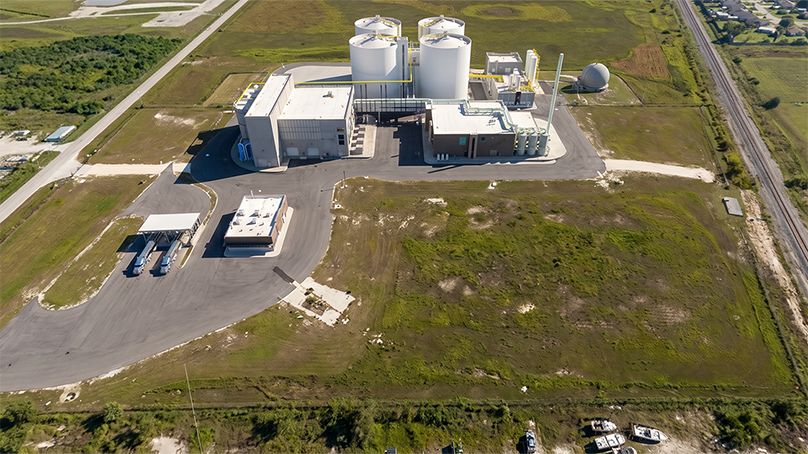
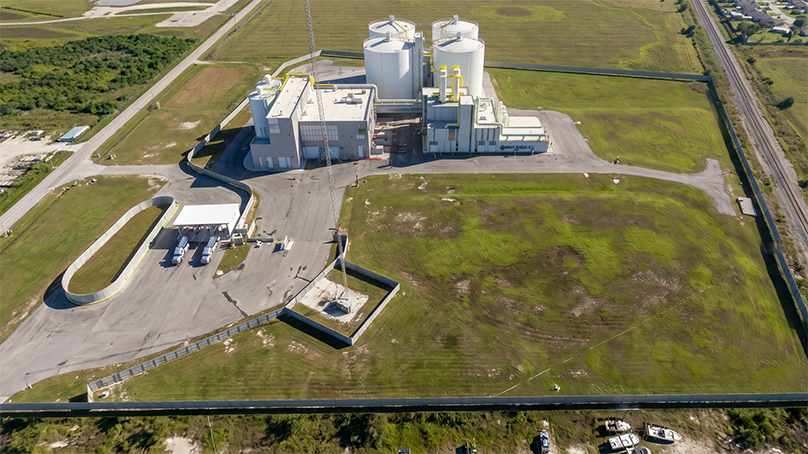
For the Biosolids Facilities project, we were able to adapt the design to save money by:
- Changing the treatment technology from thermal hydrolysis to thermophilic digestion (this is like using a slow cooker instead of a pressure cooker)
- Combining smaller buildings into bigger buildings
- Building taller buildings rather than digging basements
- Using steel instead of concrete for a building’s structural components
“(With Biosolids) We found many saving opportunities through adapting the design. This has kept over $200 million off the final price tag,” said Obach. “What is notable about these savings is that they were not the result of cutting corners. Instead, it was about making smart design and engineering choices.”
Keeping a close eye on costs
The PDB model allows us to double-check the design builder’s price throughout the process to ensure we are not overpaying and staying within our budget.
“We know Winnipeggers expect us to manage projects like these carefully — and that is exactly what we are doing,” said Obach.
As the development phase of the Biosolids Facilities project has progressed, we’ve continuously reviewed cost estimates to ensure they are reasonable. This includes an internal review by us and our advisors, an independent shadow cost estimate, an independent peer review, and benchmarking against industry standards.